
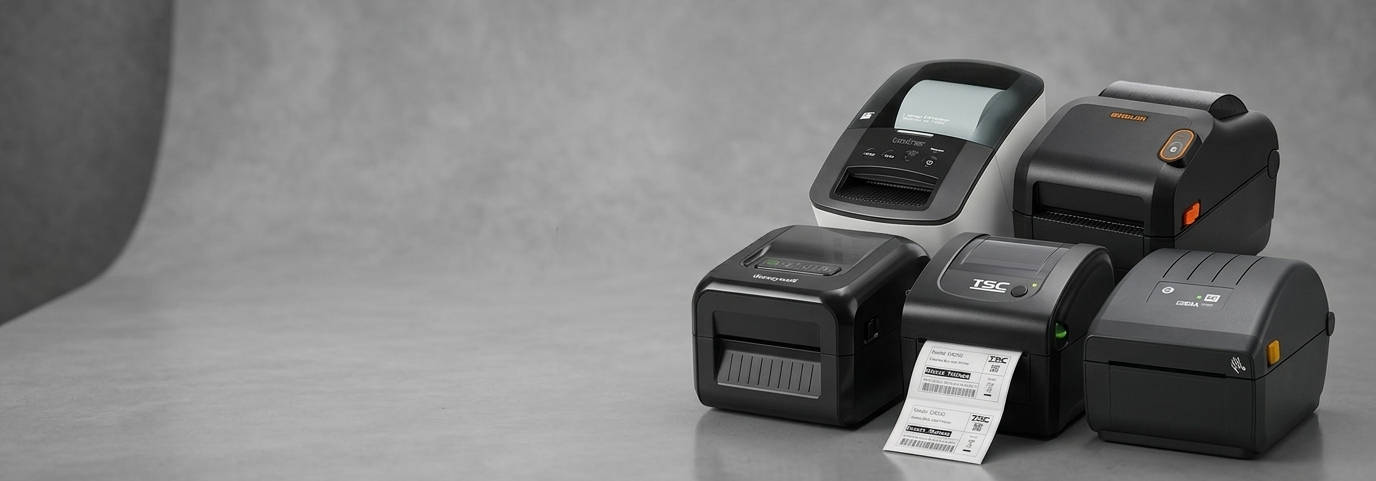
Why AU Businesses Switch to Direct Thermal Label Printers

Introduction: The Everyday Labeling Challenge
Many small businesses across Australia deal with the same daily issue—printing labels quickly, clearly, and without hassle. Whether it’s shipping orders, managing inventory, or labeling shelves, the process can become time-consuming when equipment isn’t efficient.
Traditional printing methods often require ink, toner, or frequent maintenance. Over time, this adds cost and slows down operations. That’s why many business owners are now rethinking how they handle labeling and exploring smarter, simpler options.
Why Label Printing Matters for Australian Businesses
For retail stores, warehouses, and eCommerce sellers, labeling is not just a routine task—it’s a core part of operations. A reliable label printer helps ensure accuracy, speeds up workflows, and improves customer satisfaction.
When labels are clear and consistent, businesses avoid shipping errors, reduce returns, and maintain better inventory control. This is especially important in fast-paced environments like online retail and logistics, where even small delays can affect the entire supply chain.
Different types of label printers serve different needs. Understanding these options helps businesses choose a solution that fits their daily workload.
What Are Direct Thermal Label Printers?
Direct Thermal Label Printers use heat to print on specially coated paper. Unlike other methods, they do not require ink, toner, or ribbons.
This simple mechanism makes them easy to use and maintain. Businesses only need to load label rolls and start printing, which reduces downtime and simplifies operations.
These printers are commonly used for:
Shipping labels
Barcode labels
Receipts
Temporary product tags

Why AU Businesses Are Making the Switch
1. Lower Running Costs
One of the main reasons businesses switch to Direct Thermal Label Printers is cost efficiency. Without the need for ink or ribbons, ongoing expenses are reduced.
For small businesses managing tight budgets, this can make a noticeable difference over time.
2. Faster Printing for Daily Tasks
Speed matters in retail and logistics. Direct thermal technology allows businesses to print labels instantly, helping teams process orders faster.
For example, an online store fulfilling dozens of orders daily can save valuable time by using a system that prints labels in seconds.
3. Simple Maintenance
Unlike Thermal Transfer Label Printers, which require ribbon replacements, direct thermal printers have fewer components to manage.
This means:
Less downtime
Fewer interruptions
Easier staff training
For businesses without dedicated IT support, simplicity is a major advantage.
4. Ideal for Short-Term Labeling
Direct thermal printing works best for labels that don’t need to last for years. Shipping labels, for instance, only need to remain readable during transit.
This makes Direct Thermal Label Printers a practical choice for:
Courier labels
Food packaging (short shelf life)
Retail receipts
When Other Label Printers Make More Sense
While direct thermal printers are popular, they are not the only option. Businesses should understand when alternatives may be more suitable.
Thermal Transfer Label Printers
Thermal Transfer Label Printers use ribbons to create more durable labels. These are better for:
Long-term storage
Outdoor use
Harsh environments
Industrial Label Printers
For high-volume operations, Industrial Label Printers are designed to handle heavy workloads. Warehouses and manufacturing units often rely on them for continuous printing.
Color Label Printers
Businesses focused on branding may prefer Color Label Printers. These are useful for product packaging where appearance matters.
Real-World Example: Small Retail Business
Consider a small online retailer in Australia shipping 50–100 orders daily. Previously, they used a standard ink-based printer for labels.
The result:
Frequent ink replacements
Slower printing speed
Higher operational costs
After switching to a direct thermal setup, they experienced:
Faster order processing
Lower maintenance needs
More consistent label quality
This type of transition is becoming common among growing businesses.
How to Choose the Right Label Printer
Selecting the right solution depends on your business needs. Here are a few practical tips:
Understand Your Label Usage
If your labels are short-lived (like shipping labels), direct thermal is often sufficient.
Consider Volume
High-volume operations may benefit from Industrial Label Printers, while smaller setups can use compact desktop models.
Think About Durability
If labels must withstand heat, moisture, or time, Thermal Transfer Label Printers may be a better fit.
Plan for Growth
Choose a solution that can scale with your business. What works today should still support you as order volumes increase.
Future Trends in Label Printing
Label printing continues to evolve as businesses adopt more efficient technologies.
Automation Integration
Modern systems are being integrated with inventory and POS software, reducing manual input and errors.
Eco-Friendly Materials
More businesses are exploring sustainable label materials to reduce environmental impact.
Compact and Wireless Devices
Wireless label printers are becoming more common, allowing flexible workspace setups.
Even providers like POS Central are seeing increased demand for simple, reliable solutions that support daily business operations without complexity.
Best Practices for Using Label Printers
To get the most out of your printer:
Use high-quality label rolls to avoid print issues
Clean the print head regularly
Store labels in a cool, dry place
Match the printer type to your business needs
These small steps can improve performance and extend the life of your device.
Conclusion
Switching to Direct Thermal Label Printers is a practical move for many Australian businesses looking to simplify their operations. With lower running costs, faster printing, and minimal maintenance, they offer a reliable solution for everyday labeling tasks.
However, the right choice always depends on your specific needs. By understanding the differences between label printer types—whether direct thermal, thermal transfer, industrial, or color—business owners can make informed decisions that support efficiency and growth.
FAQs
1. What is a direct thermal label printer used for?
It is commonly used for shipping labels, barcodes, and receipts where short-term durability is sufficient.
2. Are direct thermal labels long-lasting?
No, they are best for temporary use as they can fade over time when exposed to heat or light.
3. How is it different from thermal transfer printing?
Thermal Transfer Label Printers use ribbons for more durable prints, while direct thermal printers do not require any ink or ribbon.
4. Which businesses benefit most from direct thermal printers?
Retail stores, e-commerce sellers, and logistics companies benefit the most due to their need for fast and frequent labeling.
5. Do label printers require a lot of maintenance?
Direct thermal printers require minimal maintenance compared to other types, making them easier to manage.
6. Can I use one printer for all types of labels?
Not always. Different tasks may require different printers, such as Industrial Label Printers for heavy-duty use or Color Label Printers for branding purposes.


Comments