
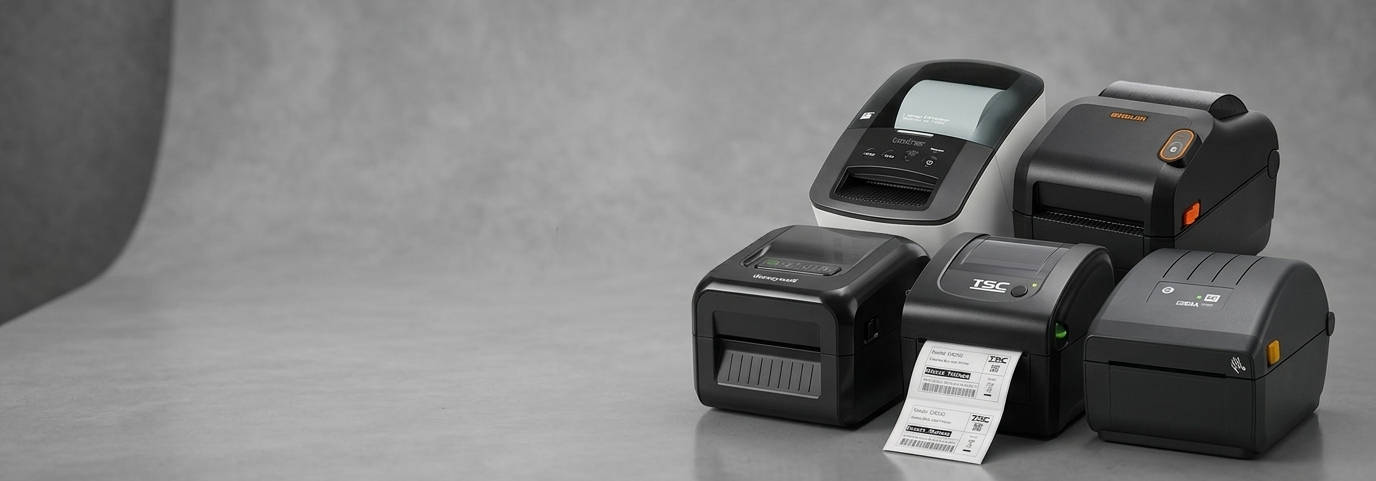
Which Label Printers Do Australian Businesses Need for Efficient Daily Operations?

Running a retail store, warehouse, café, pharmacy, or eCommerce business in Australia involves constant movement. Products need accurate labels, inventory must stay organised, and customer orders should move quickly from shelves to dispatch. When labelling systems fail or printers slow down, even small issues can disrupt daily operations.
Many Australian businesses still rely on outdated printing systems or handwritten labels that create delays and increase errors. Staff may struggle with unclear barcodes, damaged shipping labels, or inconsistent stock tracking. These problems can affect customer service, inventory accuracy, and workplace efficiency.
This is where modern label printers become essential. The right printer helps businesses streamline stock management, improve organisation, and support faster workflows without adding unnecessary complexity.
Why Label Printers Matter for Australian Businesses
A reliable label printer does far more than print stickers. It supports daily operations across retail, hospitality, healthcare, logistics, warehousing, and manufacturing environments.
Clear and accurate labels help businesses:
Improve inventory tracking
Speed up stocktaking processes
Reduce pricing mistakes
Organise shelves and storage areas
Print shipping labels efficiently
Support barcode scanning systems
Create professional product displays
For businesses managing large inventories, even small labelling errors can lead to misplaced stock, delayed deliveries, and operational confusion.
Australian businesses also operate in varying conditions. Choosing the right printer for the workplace environment is just as important as print quality.

Understanding the Main Types of Label Printers
Different businesses require different printing solutions. Understanding the major printer categories can help businesses avoid unnecessary costs and future upgrades.
Direct Thermal Label Printers
A direct thermal label printer uses heat-sensitive paper instead of ink or toner. These printers are commonly used in retail stores, cafés, courier operations, and eCommerce businesses across Australia.
They are ideal for:
Shipping labels
Price labels
Temporary barcode labels
Order management labels
Food packaging labels
Because they do not use ribbons or ink cartridges, direct thermal printers are easier to maintain and operate. However, labels may fade over time when exposed to sunlight, heat, or moisture.
Small and medium-sized businesses often prefer direct thermal printers for everyday retail and logistics tasks.
Thermal Transfer Label Printers
Thermal transfer label printers use a ribbon to produce highly durable labels that can withstand tougher environments.
These printers are commonly used for:
Warehouse storage labels
Manufacturing identification labels
Asset tracking
Long-term barcode applications
Outdoor product labelling
Businesses that require labels to remain readable for extended periods typically choose thermal transfer technology for its durability and resistance to environmental conditions.
Industrial Label Printers
Large warehouses, freight companies, and manufacturing facilities often require industrial label printers designed for high-volume operations.
Industrial models typically offer:
Faster print speeds
Heavy-duty construction
Larger label roll capacity
Continuous printing performance
Enhanced durability for long working hours
These printers are suitable for businesses with large-scale inventory systems and demanding daily workloads.
What Australian Businesses Should Consider Before Choosing a Label Printer
Every business has unique operational needs. A boutique retail store may only print a few labels daily, while a logistics company could require thousands.
Here are the key factors Australian businesses should evaluate before purchasing a printer.
Print Volume
Start by assessing how many labels your business prints each day.
Low-volume businesses usually benefit from compact desktop printers
Medium to high-volume operations may require industrial-grade systems
Using a printer that cannot handle your workload often results in downtime, maintenance issues, and slower operations.
Label Durability
Different industries require different levels of label durability.
For example:
Grocery and food businesses need moisture-resistant labels
Warehouses require scannable shipping labels during transport
Pharmacies need clear, long-lasting barcode printing
Outdoor businesses require weather-resistant labels
Choosing the correct label material and printer type can significantly reduce reprints and scanning issues.
Connectivity Options
Modern Australian businesses increasingly rely on POS systems, inventory software, and mobile devices.
A label printer should support flexible connectivity options such as:
USB
Ethernet
Wi-Fi
Bluetooth
Wireless printing is becoming more common in retail and warehouse environments because it improves mobility and reduces cable clutter.
Label Size Compatibility
Businesses use various label sizes depending on their operations.
Before purchasing a printer, check:
Maximum label width
Supported roll sizes
Printing resolution
Barcode compatibility
Using incompatible label sizes can create unnecessary operational problems later.
How Different Australian Industries Use Label Printers
Retail Stores
Retail businesses use labels for pricing, shelf displays, barcode tracking, and promotional tags.
For example:
Fashion stores print sale and pricing tags
Grocery stores manage barcode inventory labels
Electronics retailers use product identification labels
Fast and reliable printing helps staff update stock quickly and maintain organised shelves.
Cafés and Food Businesses
Restaurants, cafés, and takeaway businesses commonly print:
Ingredient labels
Expiry date labels
Online order labels
Food packaging stickers
Thermal label printers are popular in hospitality because they handle busy service periods efficiently.
Warehousing and Logistics
Warehouses depend heavily on barcode systems and shipping labels. Incorrect or damaged labels can lead to delayed deliveries and inventory errors.
Many Australian logistics businesses invest in industrial label printers designed for continuous daily operation.
Healthcare and Pharmacies
Healthcare providers and pharmacies require highly accurate labelling systems for:
Medication labels
Patient identification
Inventory tracking
Compliance management
Clear print quality helps reduce human error and supports safer operational workflows.
Common Label Printer Options Australian Businesses Explore
Businesses searching for label printers in Australia often compare several printer categories based on operational needs.
Popular options include:
Desktop thermal printers for retail counters
Industrial printers for warehouses
Portable wireless printers for mobile inventory tasks
Shipping label printers for eCommerce businesses
However, businesses should focus primarily on workload requirements, durability needs, and connectivity features before selecting a model.
Best Practices for Smooth Label Printing Operations
Train Employees Properly
Even user-friendly systems perform better when staff understand:
Correct label placement
Barcode positioning
Printer cleaning procedures
Media replacement
Basic training can reduce printing mistakes and improve efficiency.
Use High-Quality Label Rolls
Low-quality labels can cause:
Printer jams
Poor barcode scanning
Faster label fading
Increased reprinting costs
Reliable label materials improve print consistency and operational performance.
Perform Regular Printer Maintenance
Dust, adhesive residue, and worn components can reduce print quality over time.
Routine maintenance helps:
Extend printer lifespan
Maintain print clarity
Reduce unexpected downtime
Match the Printer to the Environment
Different workplaces require different printing solutions.
For example:
Cold storage requires moisture-resistant labels
Kitchens need heat-resistant printing
Warehouses require durable barcode labels
Choosing the wrong printer often leads to wasted supplies and higher operating costs.
Future Trends in Label Printing Across Australia
Australian businesses are gradually adopting smarter inventory systems and automation technologies.
Some growing trends include:
Mobile printing from tablets and smartphones
Cloud-connected inventory management
Eco-friendly label materials
Wireless warehouse printing systems
QR code integration
Automated barcode workflows
FAQs
1. What is the difference between direct thermal and thermal transfer printers?
Direct thermal printers use heat-sensitive labels without ink or ribbons, while thermal transfer printers use ribbons to create more durable and long-lasting labels.
2. Are industrial label printers necessary for small businesses?
Not usually. Small businesses with lower print volumes often benefit more from compact desktop label printers.
3. Can label printers connect wirelessly?
Yes. Many modern label printers support Wi-Fi and Bluetooth connectivity for flexible integration with POS and inventory systems.
4. How long do thermal labels last?
Direct thermal labels may fade over time when exposed to heat or sunlight, while thermal transfer labels generally last much longer.
5. Which industries commonly use label printers?
Retail, warehousing, logistics, healthcare, hospitality, manufacturing, and food businesses all commonly use label printing systems.
6. How do Australian businesses choose the right label printer?
Businesses should evaluate print volume, durability requirements, connectivity options, label size compatibility, and operating conditions before selecting a printer.


Comments