
Which Barcode Scanner Fits Small Retail Business Needs in Australia?

Small retail businesses in Australia handle hundreds of daily tasks. From managing stock to serving customers quickly, every second matters at the checkout counter. Many store owners still have slow billing, pricing errors, and inventory confusion due to outdated systems or manual work.
This is where Barcode Scanners become important. The right scanner can improve checkout speed, reduce human error, and help staff work more efficiently. Whether you run a grocery store, a clothing store, a pharmacy, or a convenience store, the right scanner can make your daily work easier.
Today, small business owners can choose from several scanner types.
These include 2D Barcode Scanners, Cordless Barcode Scanners, and Handheld Barcode Scanners.
They also include Omni-Directional Barcode Scanners and Single Line Barcode Scanners. Understanding these differences helps retailers choose a device that fits their business needs. It also helps them avoid paying for features they may never use.
Why Barcode Scanners Matter for Small Retail Businesses
Retail customers expect quick service. Long queues and scanning delays can affect customer experience and reduce repeat visits.
Modern barcode scanners for retail help businesses:
Process transactions faster
Improve inventory accuracy
Reduce pricing mistakes
Track stock movement easily
Save staff time during busy hours
For example, a small supermarket in Melbourne may scan thousands of items every week. Without reliable Barcode Scanners, staff may need to enter product numbers manually, increasing delays and errors.
Retail technology has also changed customer expectations. Many shoppers now prefer contactless and fast checkout systems. A dependable scanner supports smoother retail operations without making the process complicated for employees.
Understanding Different Types of Barcode Scanners
Not every scanner works the same way. Different retail environments require different scanning solutions.
1. Handheld Barcode Scanner
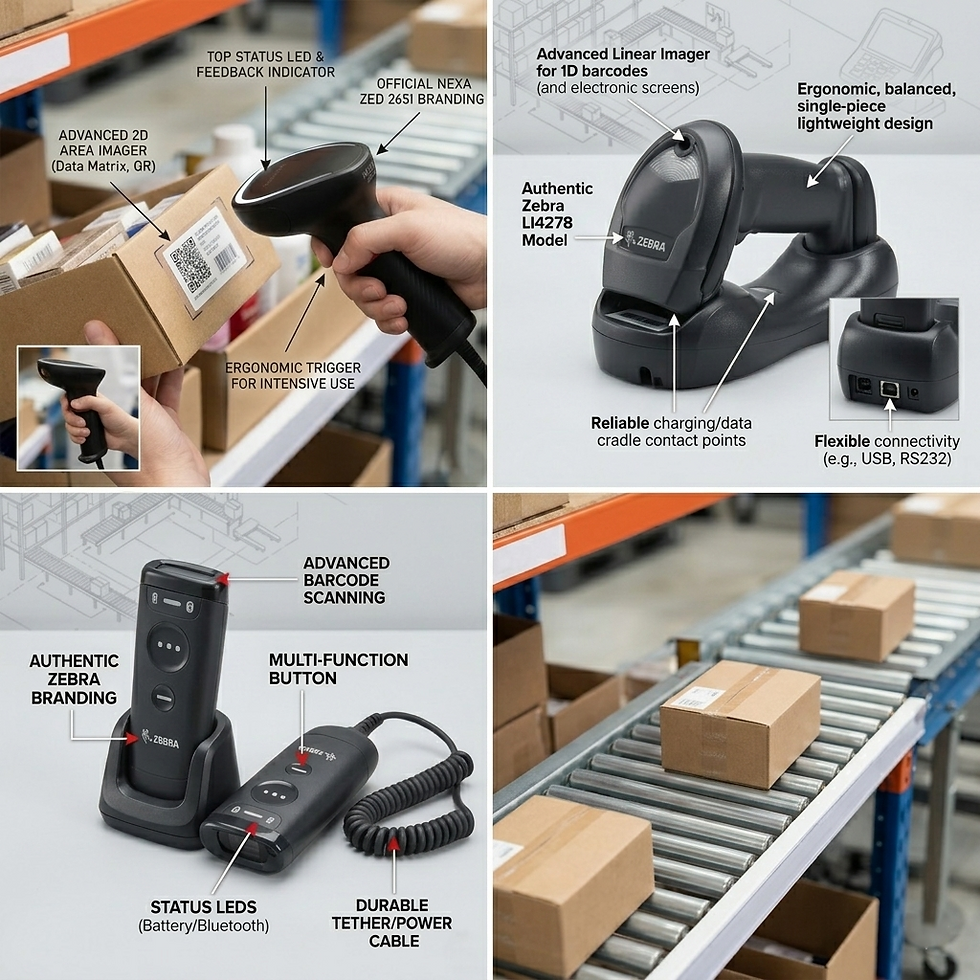
A Handheld Barcode Scanner is one of the most common options for small retailers. Staff manually point the scanner at the barcode to read product information.
These scanners are useful for:
Clothing stores
Pharmacies
Gift shops
Small grocery stores
They are easy to use and suitable for businesses with moderate customer traffic.
2. Cordless Barcode Scanner
A Cordless Barcode Scanner allows staff to move freely without being connected by cable. This flexibility is useful in stores with larger counters or storage areas.
Retailers often use cordless models for:
Inventory checks
Warehouse scanning
Mobile checkout setups
Large retail floors
Australian retailers with growing inventory systems often prefer cordless devices because they reduce cable clutter and improve staff mobility.
3. 2D Barcode Scanner
A 2D Barcode Scanner reads both traditional barcodes and modern QR codes. These scanners are becoming more important as digital payments and QR-based systems grow across Australia.
They can scan:
QR codes
Damaged barcodes
Mobile phone screens
Loyalty app codes
Many retailers now choose 2D scanners because they support future retail technology trends.
What Are Omni-Directional Barcode Scanners?
Omni-Directional Barcode Scanners are commonly seen at busy checkout counters. These scanners can read barcodes from multiple angles without requiring precise positioning.
Benefits include:
Faster scanning speed
Reduced cashier effort
Better performance in high-traffic stores
Convenience stores and supermarkets often use these scanners because they improve customer flow during busy hours.
For example, a cashier can quickly pass products over the scanner without carefully aligning every barcode.
Where Single Line Barcode Scanners Still Work Well
Single-line barcode scanners remain useful for simple retail environments.
These scanners are suitable for:
Newsagents
Small bookstores
Low-volume stores
Basic checkout counters
Although they mainly scan standard 1D barcodes, they still offer reliable performance for businesses with straightforward retail needs.
For retailers with limited product ranges, these scanners can provide a practical starting point.
How to Choose the Right Barcode Scanner
Choosing the correct scanner depends on how your store operates each day.
Consider Your Store Size
Small boutiques may only need a basic Handheld Barcode Scanner, while supermarkets often benefit from Omni-Directional Barcode Scanners.
Check Your Barcode Types
If your business uses QR codes or digital coupons, a 2D Barcode Scanner is usually the better choice.
Think About Staff Movement
Retailers working across shelves, warehouses, or mobile counters may prefer a Cordless Barcode Scanner for greater flexibility.
Evaluate Checkout Traffic
Busy stores should prioritise scanning speed and durability. Slower scanners can create queues during peak shopping hours.
Plan for Future Growth
Technology changes quickly. Selecting a scanner that supports newer barcode formats can help businesses avoid replacing equipment too soon.
Common Mistakes Retailers Make When Choosing Barcode Scanners
Many small businesses choose scanners based only on price. However, the cheapest option may not fit long-term business needs.
Common mistakes include:
Ignoring compatibility with POS systems
Choosing scanners that only support old barcode formats
Buying devices unsuitable for retail volume
Overlooking staff comfort and ease of use
Before selecting from barcode scanners for sale, retailers should assess their daily workflow and future business plans.
Some Australian businesses also talk to trusted POS hardware providers, such as POS Central. They can help you choose products. They can also explain compatibility details.
Future Trends in Barcode Scanner Technology
Retail technology continues to evolve across Australia.
Here are some trends shaping the future of Barcode Scanners:
Contactless Retail Integration
More businesses are adopting self-checkout systems and mobile payments. Scanners now need to read digital codes directly from smartphones.
Cloud-Based Inventory Tracking
Modern scanners increasingly connect with cloud systems that update inventory in real time.
Improved Wireless Performance
New Cordless Barcode Scanner models offer stronger wireless connectivity and longer battery life.
Smarter Scanning Accuracy
Advanced 2D Barcode Scanner systems can read damaged or poorly printed labels more effectively than older devices.
Retailers who prepare for these trends may improve operational efficiency over time.
Best Practices for Small Retail Businesses
To get the most value from barcode scanners for retail, businesses should follow a few practical steps:
Train staff properly on scanner handling
Clean scanners regularly for accurate reading
Use high-quality barcode labels
Test compatibility with POS software
Choose durable devices for busy retail settings
Even simple maintenance can improve scanner performance and lifespan.
FAQs
Which barcode scanner is best for small retail stores?
It depends on store size and checkout volume. Small shops often use Handheld Barcode Scanner models, while busy stores may prefer Omni-Directional Barcode Scanners.
What is the difference between 1D and 2D barcode scanners?
A single-line barcode scanner mainly reads standard 1D barcodes. A 2D Barcode Scanner can also scan QR codes and digital screens.
Are cordless barcode scanners reliable for retail use?
Yes. A Cordless Barcode Scanner provides flexibility and works well for inventory management and mobile retail environments.
Do barcode scanners work with all POS systems?
Not always. Retailers should check compatibility before choosing Barcode Scanners for their business.
Why are omni-directional barcode scanners popular?
Omni-Directional Barcode Scanners improve checkout speed by scanning barcodes from multiple angles.
How long do barcode scanners usually last?
Most quality scanners last several years with proper maintenance and regular cleaning.


Comments